Cold health
Keeping healthy in winter
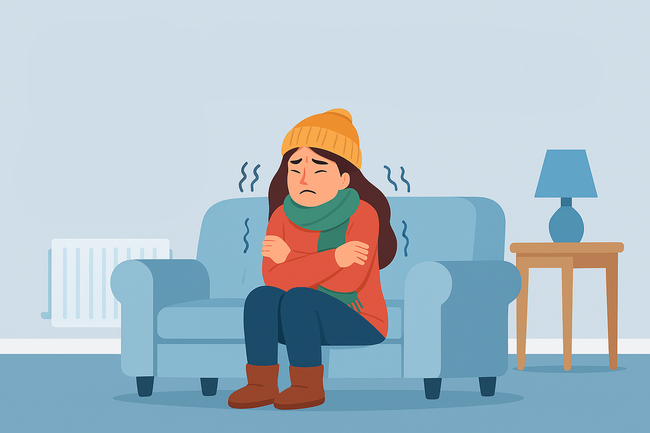
Most people who get very ill in winter are not made sick by freezing temperatures. Instead, many people have problems with their breathing or their heart when the weather gets colder.
Health problems can start when the outside temperature drops below 5°C to 8°C. The risk goes up when it gets even colder. But winter has many more days that are cool, not extremely cold. This means it is important to stay warm and look after your health all winter, even on days that don’t feel very cold.
There are many reasons for the increased risk of ill-health in cold weather. These include:
- poor-quality housing and particularly cold homes
- the higher frequency of circulating infectious diseases, such as flu and norovirus during the winter months
- physical hazards such as snow and ice
During cold weather, people may also use malfunctioning or inappropriate appliances to heat their homes. This can increase the risk of carbon monoxide poisoning. When a house is damp as well as cold, mould is more likely to occur. This can increase the risk of illness, especially from asthma.
A household that cannot afford to heat its home is likely to live in the only heated room, or it may need to choose between heating and food or other commodities or risk falling into debt.
Older people, babies and young children are more likely to be unwell from cold weather because their bodies are less able to regulate temperature. People with underlying medical conditions can also be vulnerable to the effects of cold weather. Many of the harms linked to cold exposure are preventable if a few simple actions are taken.
During the winter, UK Health Security Agency (UKHSA) will work with the Met Office to issue alerts alongside the weather forecast if the weather is so cold that it has the potential to affect people’s health. This will trigger communications from the council with suggestions on how to respond to these alerts.